Hollala Font: A Designer’s Guide to Trendy Script Branding
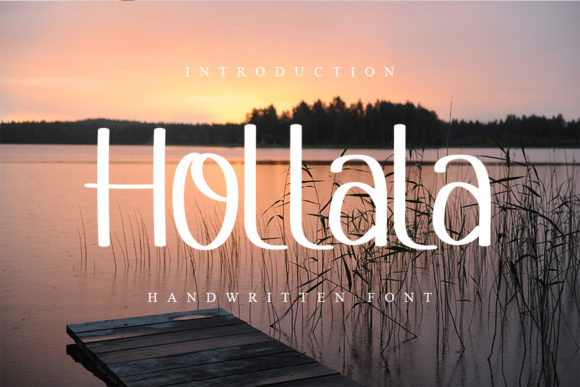
I still remember the moment I opened my design software for a new local boutique project, staring at a blank canvas and feeling that familiar pressure to find a typeface that felt both fresh and authentic. That is when I discovered Hollala, a fun and trendy handwritten font that immediately changed the trajectory of the entire brand identity. As a graphic designer, I am always on the hunt for Fonts that do more than just display text; they need to convey personality, warmth, and a distinct visual voice. In this case, Hollala offered exactly that—a Script Handwritten style that felt personal yet polished enough for professional commercial use.
Using Hollala for Boutique Logo Design and Brand Identity
When working with Hollala, the first thing I noticed was its ability to anchor a logo design with effortless charm. For the boutique project, the client wanted something that felt handmade but not amateurish, a delicate balance that many Script Handwritten options struggle to achieve. Hollala stepped in as the perfect solution, offering distinct curves and a playful rhythm that mimicked natural handwriting without sacrificing legibility. I started by sketching out several logo concepts, placing Hollala front and center to see how it interacted with simple iconography. The result was spectacular; the font’s unique ligatures and flowing connections gave the logotype a custom-drawn feel, which is often what small business owners desire most from their Fonts. It wasn’t just about picking a typeface; it was about finding a visual partner that could carry the weight of the brand’s story. By using Hollala, we established a brand identity that felt approachable, stylish, and distinctly modern, proving that the right handwritten font can elevate a simple name into a memorable mark.
Creating Eye-Catching Packaging Design with Hollala Script
Once the logo was finalized, the next challenge was translating that energy into physical packaging design, where Hollala truly shined as a display font. Packaging requires typography that can grab attention from a shelf while remaining readable at various sizes, and this Script Handwritten gem delivered on both fronts. I tested Hollala on mockups for product labels, tote bags, and tissue paper seals, observing how its cute style added a layer of tactile warmth to the digital designs. The font’s distinct character meant that even short phrases like "Thank You" or "Handmade with Love" became design elements in their own right, rather than just informational text. This is the power of premium Fonts; they transform standard marketing materials into collectible art pieces. For designers working on product-based businesses, Hollala offers a versatile toolset that works beautifully on stickers, hang tags, and box prints. The key was to let the font breathe, giving it enough white space so its trendy loops and tails could stand out. This approach ensured that the packaging didn’t just protect the product but also enhanced the unboxing experience, creating a cohesive brand narrative from the first glance to the final reveal.
Enhancing Social Media Graphics and Digital Content with Hollala
In today’s digital-first world, a brand’s presence on social media is just as critical as its physical storefront, and Hollala proved to be an invaluable asset for creating engaging social media graphics. I integrated the font into Instagram posts, story templates, and Pinterest pins, leveraging its fun and trendy aesthetic to stop the scroll. Because Hollala is a Script Handwritten typeface, it adds a human touch to digital content, making brands feel more relatable and less corporate. I found that using Hollala for headlines or short quotes worked exceptionally well, drawing the viewer’s eye before leading them to the supporting sans serif body text. This hierarchy is crucial in web design and digital marketing, where attention spans are short. By incorporating Hollala into our template library, we created a consistent visual language that followers began to recognize instantly. Whether it was announcing a sale, sharing a behind-the-scenes glimpse, or highlighting a customer review, the font added a splash of personality that static images often lack. For content creators and marketers, having access to such expressive Fonts means you can maintain high-quality aesthetics without spending hours on custom illustration. It is a practical, time-saving choice that does not compromise on style or impact.
Pairing Hollala with Serif and Sans Serif Fonts for Visual Harmony
One of the most important aspects of using a distinctive Script Handwritten font like Hollala is knowing how to pair it effectively with other typefaces to create visual harmony. In my design process, I experimented with combining Hollala with clean sans serif fonts for a modern, minimalist look, as well as classic serif fonts for a more elegant, editorial vibe. The contrast between the organic, flowing lines of Hollala and the structured geometry of a sans serif creates a dynamic tension that keeps the design interesting. For instance, on the boutique’s business cards, I used Hollala for the owner’s name and a simple geometric sans serif for the contact details, ensuring readability while maintaining the brand’s playful spirit. This technique is essential for any designer working with Fonts that have strong personalities; the supporting typeface should never compete for attention but rather frame and enhance the primary script. When building a comprehensive brand identity, testing these combinations across different mediums—from website headers to printed flyers—ensures consistency and professionalism. Hollala is versatile enough to adapt to various pairing styles, making it a flexible addition to any designer’s toolkit. By understanding these relationships, you can create spectacular designs that feel balanced and intentional, rather than chaotic or overwhelming.
Practical Tips for Licensing and Using Hollala in Client Projects
Before finalizing any design system, it is crucial to consider the technical and legal aspects of using commercial Fonts like Hollala. As a professional designer, I always verify the licensing terms to ensure that the font can be used for the intended purposes, whether that is print, web, or merchandise. Hollala is designed to be a robust tool for creatives, but checking for included styles, alternates, and multilingual support can save time during the production phase. I recommend testing the font in various sizes and formats early in the project to identify any potential readability issues, especially when using it as a Script Handwritten element in smaller contexts. Additionally, exploring the font’s ligatures and special characters can add unique touches to your designs, setting them apart from generic templates. For freelancers and creative studios, investing in high-quality Fonts is an investment in efficiency and brand value. Hollala offers a distinct and cute style that resonates with audiences looking for authenticity, making it a smart choice for projects ranging from wedding invitations to startup branding. By approaching font selection with both creativity and practicality, you can ensure that your final deliverables are not only visually stunning but also technically sound and legally compliant. This holistic approach to design ensures that every element, down to the typeface, contributes to a successful and sustainable brand identity.